

- Site Navigation -
 Current location:
NEWS
NEWS INFORMATION
Performance and usage of glass fiber tape
Author:shuoer Date:2026-06-01 09:14:25 Hits:103
Physics & Temperature Resistance
- Temperature resistance: long-term 500 ~ 550 ℃, short-term 600 ~ 650 ℃, non-combustible, flame retardant, no visible flame
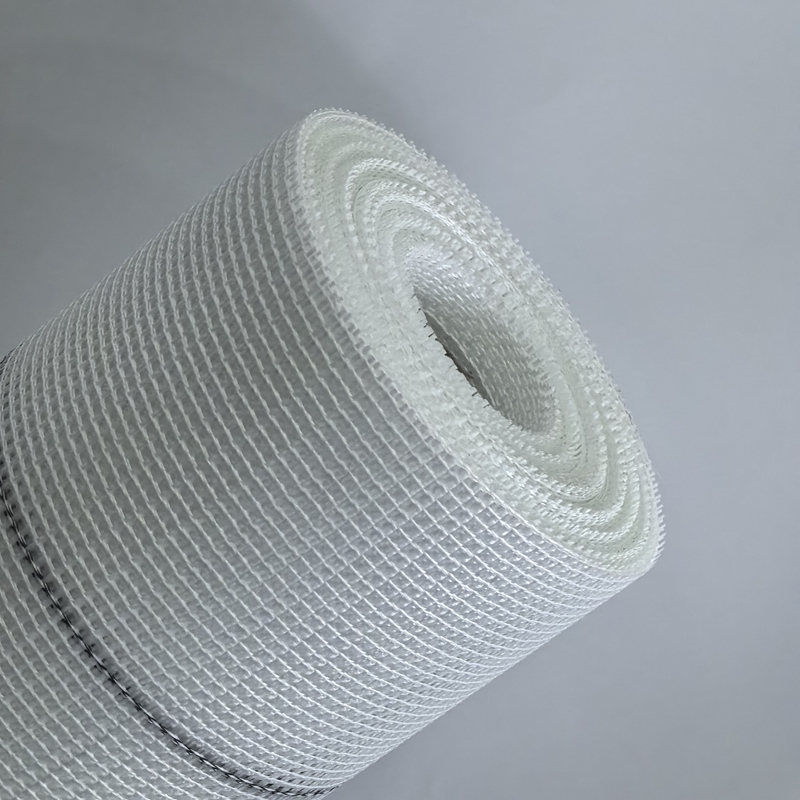
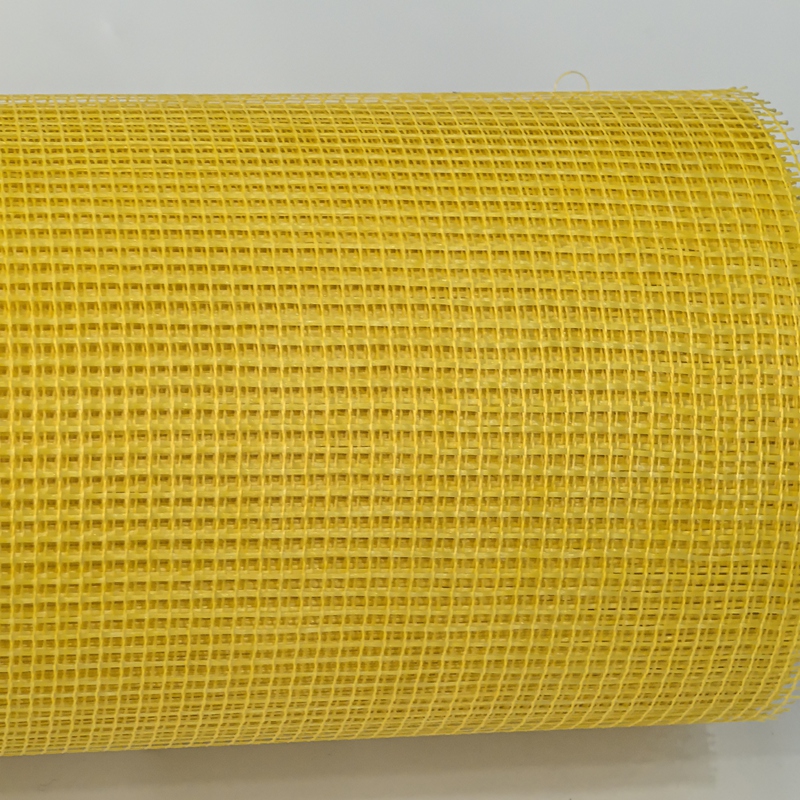
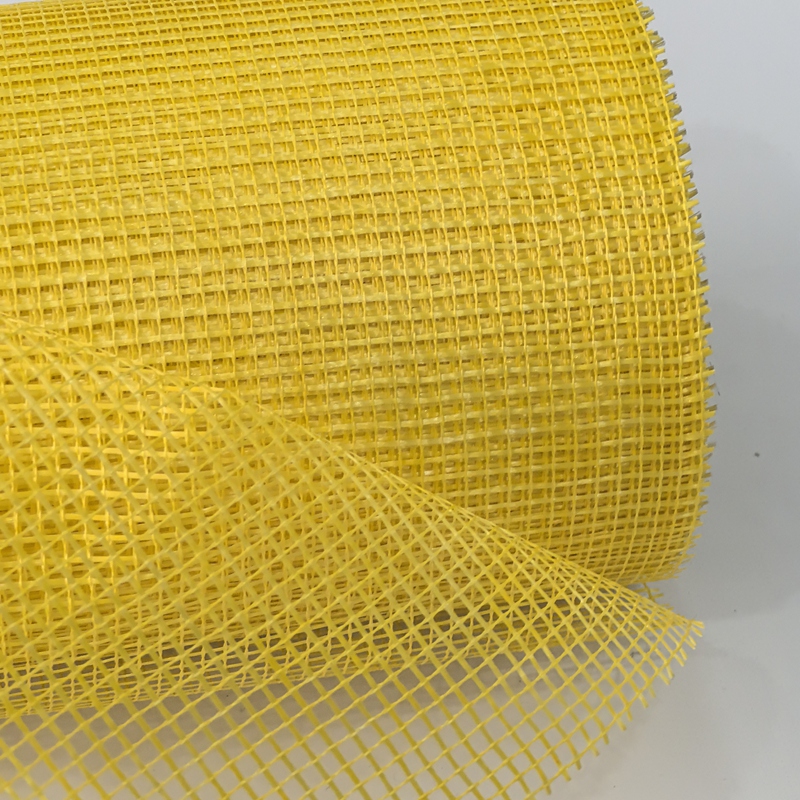
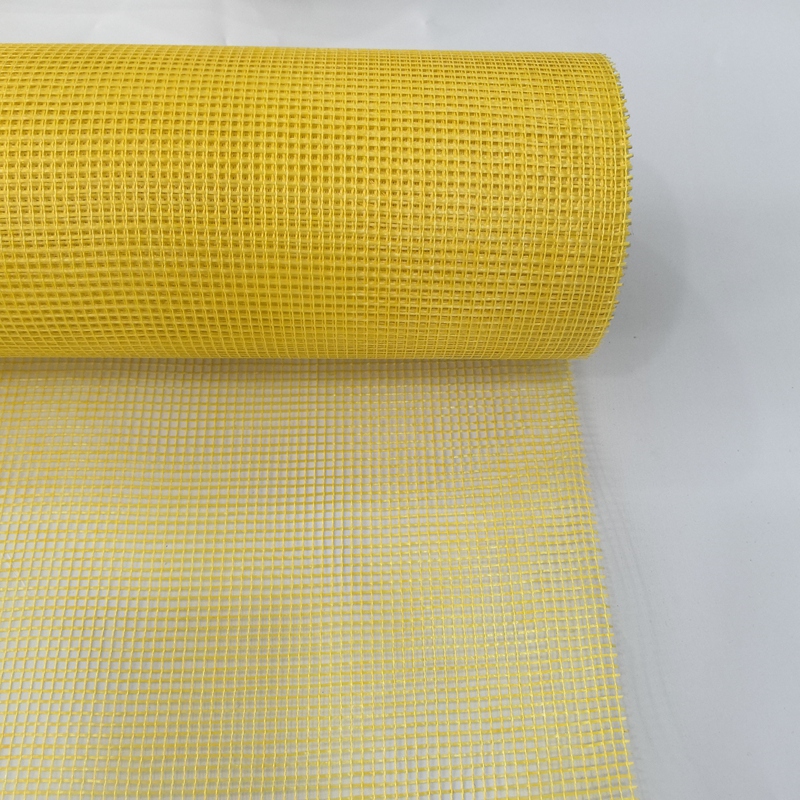
- High tensile strength, soft and flexible texture, easy to bend and wrap, not easy to break
- Light density, excellent thermal insulation effect
Electrical properties
- Excellent insulation, non-conductive, high-voltage resistant, suitable for motor, cable, electrical insulation binding
Chemical properties
- Resistant to weak acids, weak alkalis, water vapor, aging
- It is not resistant to strong acids and strong bases, and will gradually become brittle after prolonged contact.
- Anti-mildew, anti-insect, non-corrosive to metal
2. Classification and application (simple distinction)
1. Non-alkali glass fiber tape: insulating, electrical, cable, motor (mainstream electrical use)
2. Medium-alkali glass fiber tape: insulation, heat preservation, pipe wrapping, fire protection, anti-corrosion (general industrial use)
3. Coating glass fiber tape (silicone / vermiculite coating): high temperature resistance, anti-shedding, sealing, exhaust heat insulation
III. Standard usage method
1. Pipe/Equipment Insulation Wrapping (most commonly used)
1. Clean the base surface: remove rust, oil stains, and dust, and keep it dry.
2. Single-layer / multi-layer winding: overlap width of 1/3 ~ 1/2 of the width, layer by layer compression, no gap
3. Thicker winding at the corner, flange, and valve to avoid heat leakage
4. The end is fixed with wire, clamp, or heat-resistant tape to prevent loosening.
5. In high-temperature conditions, it is recommended to add insulation cotton and an outer layer to extend the life of the product.
2. Electrical insulation binding (motor / coil / cable)
1. The base material is dry and free of oil stains and sharp burrs.
2. Closely and evenly overlapped, moderate tension (do not pull off, do not be too loose)
3. When multi-layer winding, the direction of each layer is consistent, and the ends are neatly finished.
4. In the future, it can be immersed in insulating paint to enhance the overall insulation and moisture-proof performance.
3. Flange / valve / furnace door sealing
1. Choose the corresponding thickness of fiberglass tape according to the gap width.
2. The entire embedded sealing groove / gap is compacted and filled.
3. Press the cover plate / flange evenly, evenly distribute the force, and avoid local compression damage.
4. Exhaust manifold / car banana insulation (special for coated version)
1. Cool the parts to room temperature before construction.
2. Wrapped in a spiral from one end, pulled tight all the way, and docked in place.
3. The interface and elbow should be wrapped 1~2 layers more.
4. Do not disassemble or reassemble at high temperatures after it is fully fixed and heated up.
IV. Precautions & Contraindications
1. Protection: Thin glass fibers can irritate the skin and respiratory tract. Wear gloves, masks, long sleeves during construction. Do not directly rub or blow dust into your mouth and nose at close range.
2. It is forbidden to use it in a long-term environment of strong acid or strong base.
3. Avoid scraping with sharp and hard objects to prevent broken fibers and fuzziness.
4. Storage: Store in a dry and ventilated place, away from moisture, heavy pressure, and direct sunlight.
5. It can be used normally in a low-temperature environment without the problem of cracking.
6. If the surface has severe fiber shedding, silicone-coated glass fiber tape should be used as a priority.
V. Simple selection reference
- Electrical insulation → Select an alkali-free glass fiber tape
- Ordinary insulation, pipes, fire protection → Select alkali fiberglass tape
- High temperature + anti-shedding + outdoor/vibration parts → Select silicone/vermiculite coated belt
Cangzhou ShuoerFiberglass Products Co., Ltd
Copyright © 2025-2026 http://www.shuoerglassfiber.com. All Rights Reserved Cangzhou Shuoer Fiberglass Products Co., Ltd